
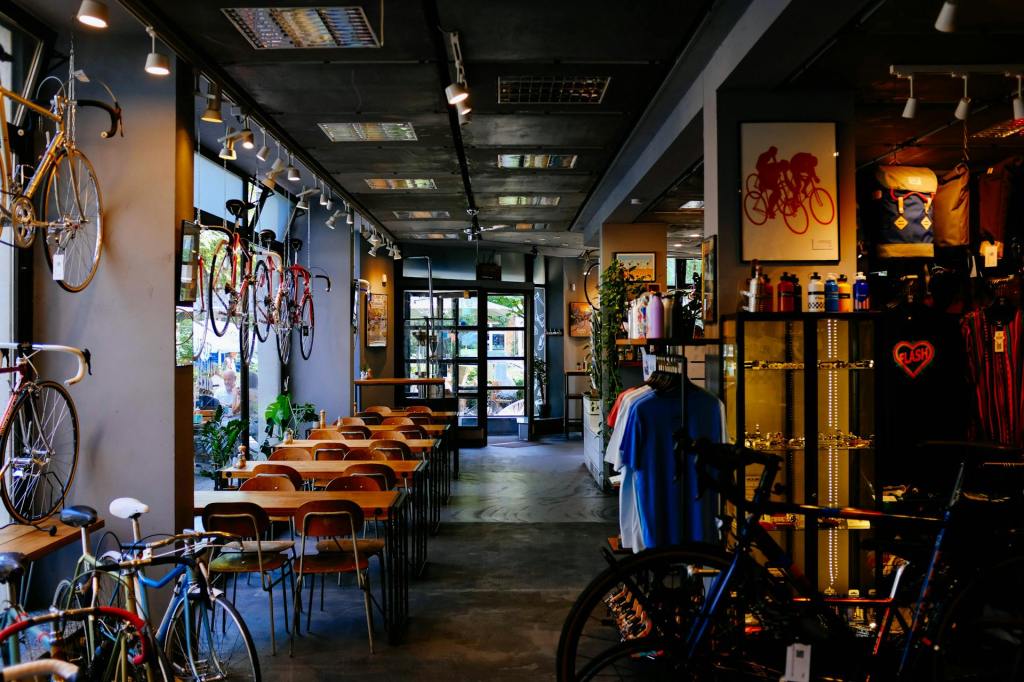
You can finish an Ironman without turning your garage into a pro shop. But believe me, it is really really easy to acquire way too much gear than you initially planned for!
The core kit is simpler than most feeds suggest, and above all it is your consistency that will matter more than any single piece of equipment. But yes, there are some real essentials you can’t really do without..
SWIM
Start with the swim. A decent, well-fitting triathlon wetsuit is, in my view, indispensable for most races with cooler water. Fit is everything: too tight and your shoulders will revolt; too loose and you’ll drag the lake with you. Buying second-hand is a perfectly sensible move here;neoprene ages, but a suit with intact seams and a smooth zipper can serve you for seasons. Try it on if you can. Add one or two pairs of goggles you trust, one clear or low light and one tinted for bright days, plus a basic silicone cap for training. For shorts, if you don’t have any on hand, just get yourself a standard pair of Speedo style (the tight-fitting kind, which is slightly revealing indeed). There is some extreme high tech in swimming shorts nowadays, but unless you’re trying to break records, just go with the basic ones for now and focus on technique instead. Use the leftover mopney for a lesson or two, it will be much better spent that way. For practice, a pull buoy is a small, cheap tool that helps technique and shoulder management, it is the tool I use most often. There is more, for sure but these would be the essentials.
BIKE
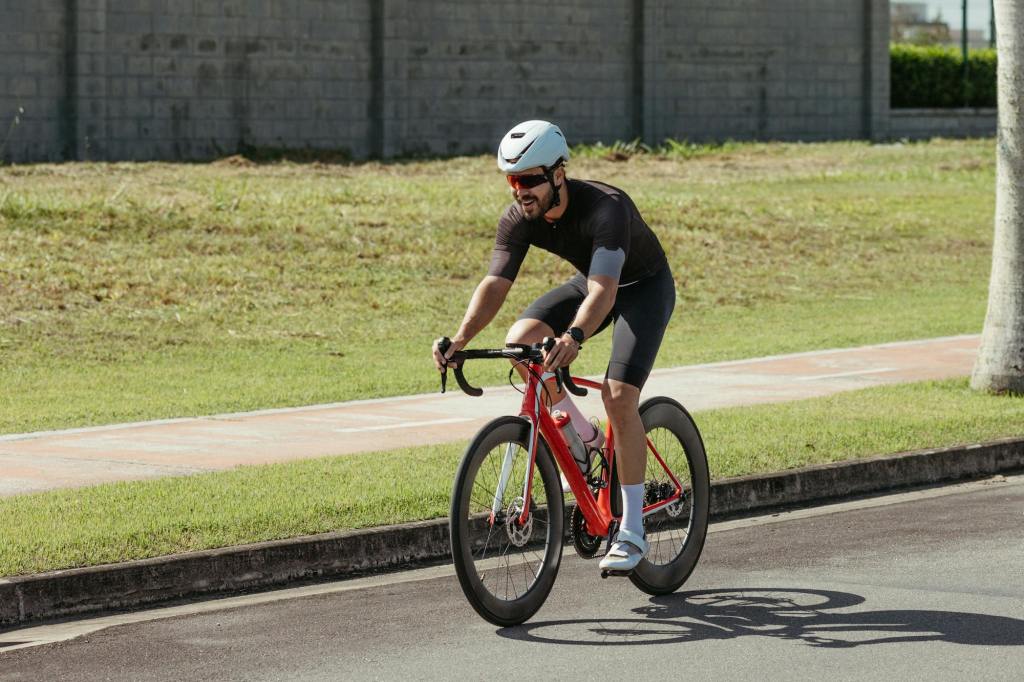
On the bike, quite frankly, you do not need a TT/tri bike to finish, or even to perform well. If you want to do this long term, yes for sure, look at a TT bike, it makes a positive difference. But if this is for a one and done type of situation, save yourself some potential budget, spend it on food instead 🙂
Yes, you can be a bit faster, and yes it is more comfortable (if you can hold that position) and yes your legs will feel a tad fresher if you trained for that position. However, amigos, a road bike with a sensible position is absolutely fine, stop stressing about it. If storage is tight or the budget is real, ride the road bike you have, add clip-on aero bars, choose fast-but-durable tires (GP 5000 for example), and get a basic fit to dial saddle height and reach. If on a budget, and you already have a bike, I think spending some money on a bike fitting session is money very well spent. And that will carry you a very long way.
By the way, sometimes a second-hand TT bike can be cheaper than trying to upgrade a road bike with wheels, cockpit changes, bars, and assorted tinkering. If you’ve got space, you find a well-cared-for TT at a fair price (they are practically throwing them at you on most online marketplaces), and the fit range works for you, that path can make sense. But if the deal isn’t great or you’d be tripping over an extra frame in your hallway, skip it. “No TT bike” remains a perfectly fine option.
Whatever you ride, wear a reliable helmet, choose shoes and pedals you’re comfortable with, and prioritize contact points that won’t sabotage your run. If you feel like it, clipless makes perfect sense to me, but I understand they are not for everyone as they can seem a bit intimidating at first. I strongly encourage you to try them and practice, it is worth it. Truly essnential would be a compact repair kit with tubes, levers, a(n electric) mini pump or CO₂, and a small multi-tool, plus storage for nutrition. Also, sunglasses aren’t vanity; they’re protection from wind, grit, and sun.
RUN
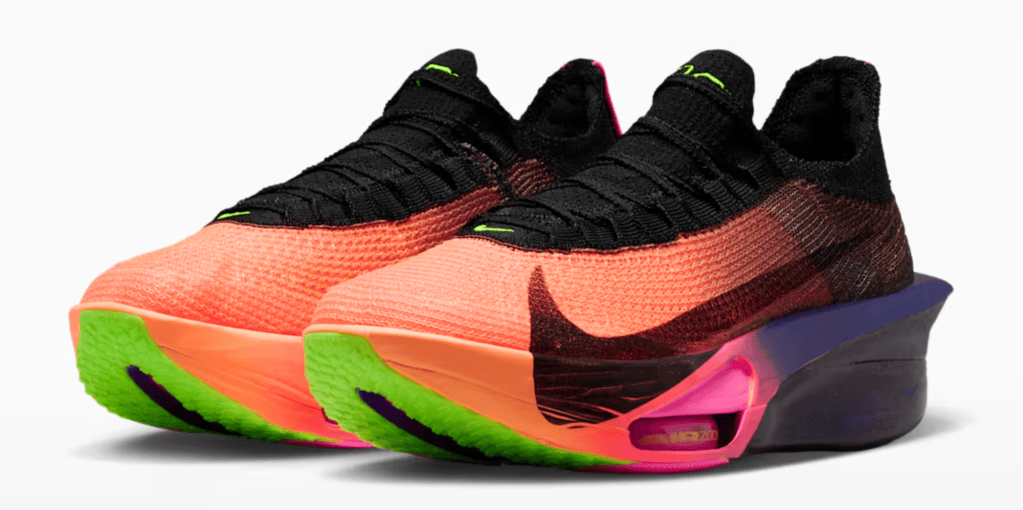
For the run, the carbon-plate question is personal. I like plated shoes late in the marathon for how they seem to soften the sting in tired legs. Maybe that’s physics, maybe it’s placebo, likely it’s both. When it comes to shoes, what works for me may not work for you. Big price difference in the shoes is essentially if you decide you want a carbon plate or not. You don’t need them to succeed. What you do need is a pair of trainers you’ve logged real miles in, with a fit that protects your feet when they swell and cushioning you trust on fatigued legs. Add socks that don’t blister when wet, a hat or visor, sunglasses if it’s bright, and a simple race belt so you’re not pinning a bib to a sticky tri top.
Watt I Learned
Across swim, bike, and run, one piece of tech is, to me, essential: a sports watch with reliable multisport support. You want to record and track your progress! You also want dependable GPS, and battery life that easily covers your expected finish time. To save a bucket of money, avoid the latest-and-greatest Garmin, Polar, or COROS. The previous generation usually does 95% of the job for a fraction of the price. If you like training by heart rate, a chest strap adds accuracy and doesn’t break the bank.
Nutrition is less about shopping and more about rehearsal. Pick a gel, chew, or drink mix that agrees with your stomach and practice with it until it’s boring. Mind you, this is a sneaky cost that certainly does add up. But practicing this eating part is critical. Race day is not the place for experiments.
Also adding here, some hard earned lessons: Sunscreen, anti-chafe in the usual hot spots, and a tiny stash of plasters or tape in your gear bag are unglamorous but essential.
Second-hand can stretch your budget smartly. Bikes—road or TT—are fair game if you can assess condition and, crucially, achieve a good fit. These things are waaaaaay cheaper when bought second hand. Do be careful with carbon bikes, you need that carbon to be in pristine condition for your safety.
Wetsuits can be bargains if the shoulders are supple and the seams clean. Aero bars, saddles, and last-year’s heart-rate sensors or watches can also make sense. Prioritize new when safety or perishables are involved: helmets with unknown histories are a risk, and fresh tires, tubes, and goggles are inexpensive confidence boosters.
Overall, basically, it is position, pacing, and fueling that will shape your day far more than any frame profile or marketing claim. A comfortable, efficient road bike setup with clip-ons and sensible tires is a rock-solid path to a strong ride and a better run. If a great second-hand TT bike falls into your lap and you have the space, excellent, take it. If not, don’t delay your Ironman for lack of a spaceship. Train with intention, keep your kit simple and reliable, and let the gear be the quiet partner to the work you put in. Avoid buying everything upfront. Your Ironman training will / should cover more than a few months, so you will have time to figure out what you truly need and what would be nice to have along the way, don’t worry about it too much.



Leave a Reply