
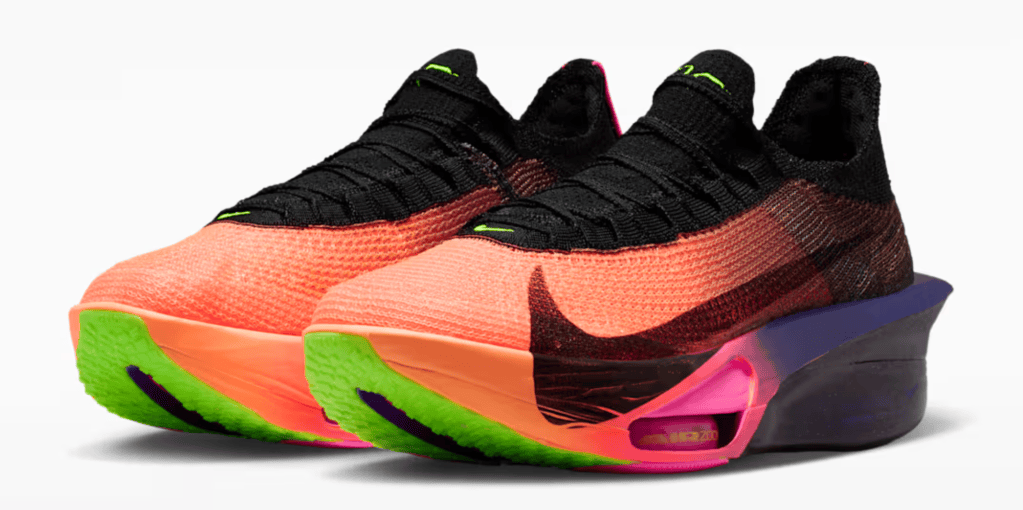
So I, like many of us, also bought those uber fast (or so I thought)carbon plate shoes. I spent north of €250, they look incredible, and naturally the first thing I wanted to do was wear them every single run. Turns out that’s exactly what you’re not supposed to do. Here is Watt I Learned…
The carbon plate is only part of the story it seems. The real bouncy magic is the combination of the plate and an extremely soft foam that returns a high percentage of the energy from each stride. The whole system ends up doing work your calves, feet, and Achilles tendon would normally do themselves. On race day, great. Over months of daily training, apparently not so great since those muscles and tendons stop getting the stimulus they need to stay strong. There’s also the basic pointlessness of running easy recovery miles in an unstable shoe (if you have ever worn one of these supershoes, you will know what I mean.. they are truly “unstable” and the last shoe you would want to go hiking with!) that alters your gait. And at a pace too slow for the energy return to do anything useful anyway.
The consensus from coaches and physios is to treat them like your best race kit, hard intervals, tempo runs, race-pace sessions, and the race itself. Everything else, basically regular trainers. So good news, turns out you may need an extra pair of trainers!
The part that freaked me out a little bit in the beginning was race day. I’d barely worn them, but also didn’t think I should show up to a race in shoes I’ve never run in. The answer seems to be a few deliberate runs, one or two shorter race-pace efforts early in the block to confirm the shoe actually works for you, then a couple of quality sessions in the final weeks including at least one longer effort close to race distance.
One last thing: the foam loses its bounce faster than a regular trainer. Keep an eye on the mileage you’re putting on them in training. You want them reasonably fresh on race day.




Leave a Reply