

There’s a moment, somewhere between the decision and the first long ride, when you realize the Ironman is not only an endurance event, it’s a massive budgeting exercise. You thought you were signing up for early alarms and long weekends; you were also signing up for an education in receipts. Exact amounts are a moving target and probably an article for another day. Consider this a map of the territory so you don’t make the mistake I made and grossly miscalculate the real cost of an Ironman!
Start with the obvious: the race itself. Ironman-branded entries are expensive in a way that makes you stare at your screen, blink twice, and check for a zero you accidentally added. Then there are potentially other fees, ever-evolving, such as processing, transfer, optional insurance that doesn’t cover the thing you thought it covered. If you’re traveling, stack on flights or fuel, extra charges for bike luggage, extra luggage for your normal luggage, hotels that triple their confidence the moment a race is announced, and the gentle math of eating in places engineered to separate athletes seeking carbohydrates from their last euros and dollars. Even local races smuggle in costs: parking, pasta dinners you swear you won’t pay for and then pay for, and a last-minute “must-have” purchase from the expo because everyone else seems to be buying it and perhaps you, too, deserve compression socks that whisper nice things in your ear.
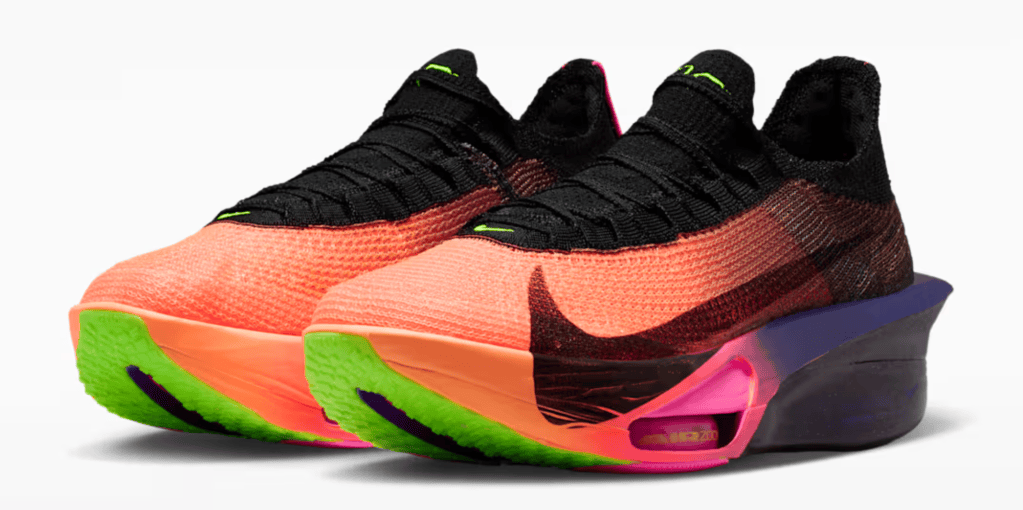
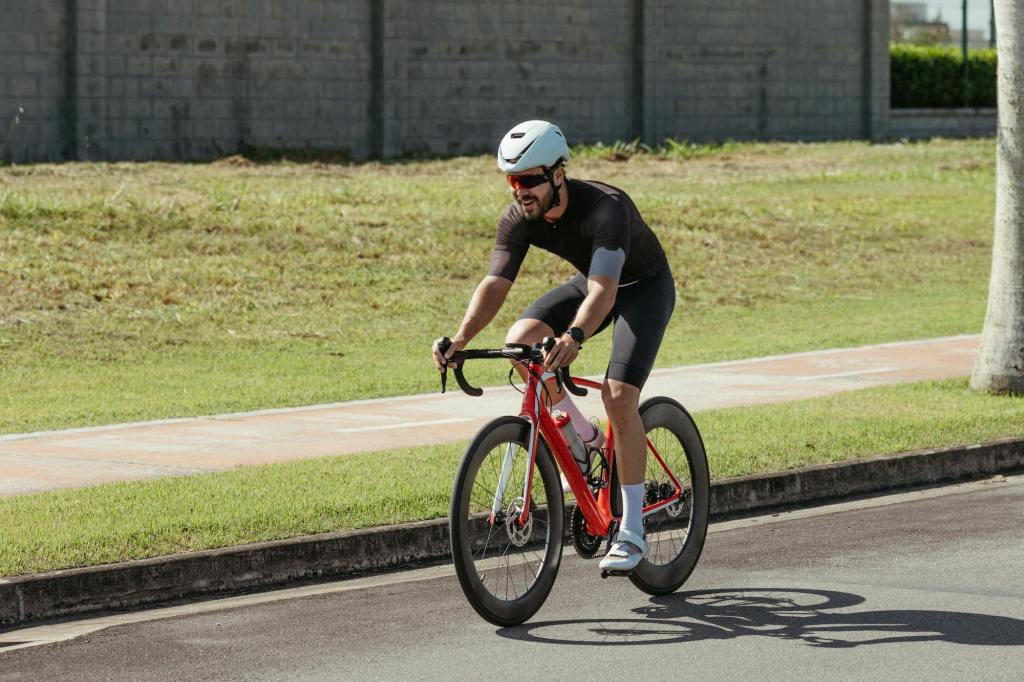
Gear sits in a different category because it is both essential and infinitely expandable. At minimum, you need a bike that won’t break down, a wetsuit that fits, shoes that will carry you through the marathon without staging a blister rebellion (and likely another pair just to get you through the months of training), and a watch that can survive a long day without running out of battery. Each of those has a sensible version and a version designed to make your credit card breathe into a paper bag. The trick is to remember that function is the point. A well-fitted road bike is a ticket to the party; a TT spaceship is optional. Wetsuits live on a spectrum from “affordable, flexible, and good enough ridiculously expensive. Running shoes will also renew themselves with a frequency that may take you by surprise. Helmets exist. Sunglasses exist. Tri suits exist, which prompt their own internal debate about dignity versus pockets, and then win on pockets.
Nutrition is another one. Gels, chews, drink mixes, salt capsules, caffeine in various ethical guises, none are ruinous alone, all definitely add up together. You will buy a sampler, then swear allegiance to a flavor you can tolerate at hour seven, then discover you cannot tolerate it for three weeks, and buy something else. Long training rides devour bottles, and you will discover the bottle you love is the one you left at a gas station. On race week, your shopping list will acquire an air of ceremony: the good mix, the backup mix, the backup for the backup in case your stomach files a protest. Add in what you eat around training, basically more of everything, and better, because recovery is not a place to save pennies, and nutrition becomes a recurring line item.
Upgrades are where the sport gently tests your sense of proportion. Do you need race wheels? No. Will you eventually want them because the wind has opinions and your friends’ bikes look like they were designed by Scandinavian furniture makers on a dare? Possibly. Saddles, cockpits, power meters, each whispers a promise of comfort or control or speed measured in minutes, or seconds, which suddenly feel like minutes. You think I joke but I have one race bike, and three (!) saddles, all three are perfectly fine, yet here I am..
A bike fit is another one I found out about after signing up. A bikefit can cost a pretty penny and isn’t really an upgrade so much as an investment; it should come before anything with the word “aero” in the product name. I promise. Because if you can’t hold a nice aero position on your bike for 6 or more hours, any other marginal gains from other upgrades go right out the window. And there are lots of little upgradesm, believe me. Did you know there are even digital swimming goggles nowadays? I kid you not. None of these upgrades is compulsory; each can make the training more precise, the day more comfortable, and the rationalizations more creative.
Hidden costs are the ones that don’t appear on glossy lists. Tools you didn’t own become tools you can’t live without: floor pumps with gauges that don’t lie, multi-tools small enough to forget until you need them, CO₂ cartridges or e-pumps.. Spare tubes breed in drawers. Chain lube or wax. Anti-chafe is a necessity you’ll stop mentioning in public; sunscreen returns as a recurring character. Strength and mobility may lead you to a mat and a set of bands, or to a gym membership you swear you’ll use. Swim caps and goggles multiply because they are cheap until you need them immediately. Towels disappear into the car like socks in a dryer. Headlamps materialize for early runs that used to be a thought experiment. Laundry? Call it water, detergent, and a washing machine that never really stops working anymore.
Technology sneaks in under the cheerful banner of “software.” Your watch has an app, your coach (if you get one) has a platform, your indoor trainer prefers a subscription that turns winter into a video game. The free version of a social platform is enough until it isn’t; training plans that begin as spreadsheets become calendars that talk to your devices and suddenly you are paying to be told what you already suspected: today is a rest day, which somehow still costs money.
Travel has the last laugh. Even if you drive to your race, bikes prefer to be transported by contraptions that cost sometimes more than your bike itself. If you fly, say hello to the bike case which you can rent or buy. You will ask yourself whether you need to arrive two days earlier to swim in the water and pedal the first climb. You will decide yes, because sleep is the most expensive thing that pays back immediately. That also means extra hotel stays of course.
None of this is meant to warn you off. Quite the opposite. When commiting to triathlon, and Ironman, that adventure is a budget because it is a priority, and priorities are simply values with numbers attached. You don’t need everything; you need enough. Enough gear to be safe and comfortable, enough nutrition to keep the engine from sputtering, enough planning to avoid paying panic prices for last-minute fixes. The rest is vanity dressed up as necessity, which can be fun as long as you name it honestly.
If there is a way to make peace with the costs, it is this: decide in advance what matters to you, write it down, and let that list do the arguing when the late-night tabs are open. Spend where it reduces risk, fit, safety, nutrition you can stomach, travel that doesn’t hollow you out. Save where the returns are marginal or the purchase substitutes for training. Borrow gear where you can, buy second-hand when condition and fit allow.




Leave a Reply